
Do Employee Suggestion Boxes Work?
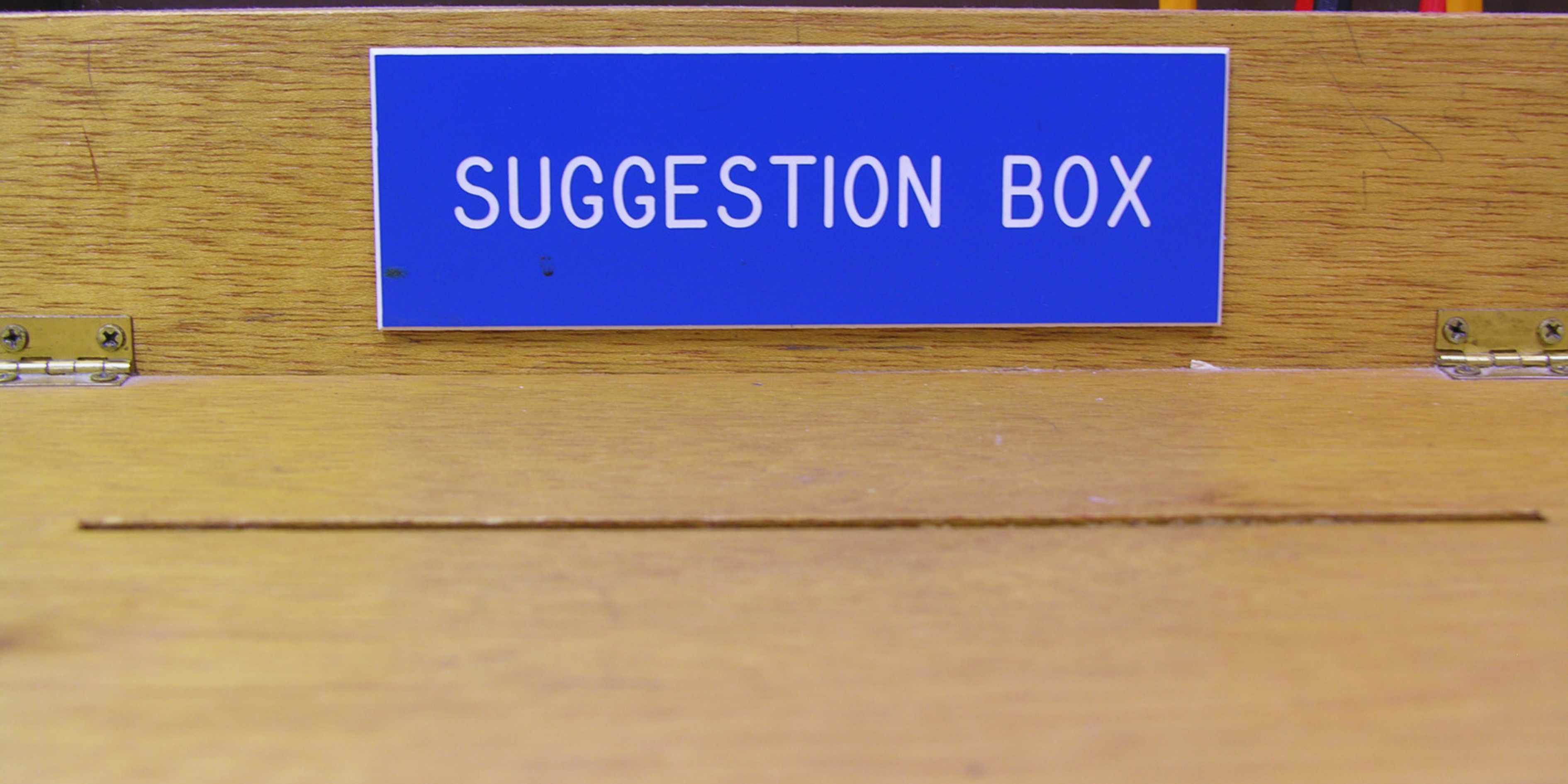 Giving employees a space to share their ideas and opinions is a great way to improve engagement through candid, mult-directional communication. A suggestion box can be a meaningful way to involve employees and engage them with the workplace culture. It can help organization leaders expose and address issues, discover valuable ideas and suggestions, improve employee engagement, and build a culture of trust and continuous improvement.
That said, a dusty suggestion box tucked in the corner of the break room, crammed with random ideas that gets opened once every year will not only confuse management but also frustrate employees when they see nothing gets done … again.
We spend a lot of time on this blog discussing psychometric testing, benchmarking, and statistical validation. So, where does a suggestion box fit in with an organization’s continuous listening and employee engagement strategy?
Really, it’s about listening.
What is a suggestion box?
In its most basic form, a suggestion box is a way to access frontline insights and feedback. In bigger organizations, it’s a great way for senior leaders to better understand the way frontline workers experience the organization.
We all have seen those boxes with the slits at the top, asking for feedback. Now, however, there are many more formats to elicit feedback from your employees. Most organizations use digital suggestion boxes, platforms, and survey tools. (So you can put that shoebox away!)
Contact CustomInsight to Start a Free Trial of Our Online Suggestion Box
Start Your Free TrialOnline Employee Suggestion Box Uses and Benefits:
If your organization is ready to start listening and engaging in meaningful communication, an online suggestion box is a great starting point.
Uses and Benefits of an Online Employee Suggestion Box Include:
- Improving your organization's culture
- Uncovering hidden issues and opinions
- Discovering ideas to grow your business
- Gathering feedback about company meetings
- Surfacing health and safety violations
- Revealing compliance or policy concerns
- Improving communication between employees and organization leaders
How to launch an Employee Suggestion Box Program:
A culture of feedback is a strategic pillar in successful organizations. Successful programs require planning and communication. Just because something is there, doesn’t mean employees will use it.As organization leaders, the suggestion box can be a great way to interact with employees throughout the organization. But how?
Communicate: Announce the suggestion box tool in team meetings, emails, intranet updates, and in employee newsletters.
Explain Why: Employees need to know that their voice matters, and that this isn’t just another thing on their list of things to do or a compliance program. When you explain to your teams that you want to hear from them, want to hear about how to help them do their jobs better, you’re starting a meaningful conversation.
Explain Who: Who will be managing submissions, reviewing feedback, following up and responding? Without clear ownership, your employees might feel like they’re shouting in the the void.
Launch and adjust: Start with a team or department to see how the rollout is working. Scale once the process is refined. This gives employees the chance to start to use it as well as team and organization leaders the time to learn how to best manage the new tool.
CustomInsight’s Suggestion Box ~ Start the Conversation:
With a hyper-connected world, it often feels we’re more disconnected than ever before. CustomInsight’s Suggestion Box is one of our best products and can be used in many different ways.
Bottom line: It creates an ongoing channel for feedback.
CustomInsight's Online suggestion box provides an option to let people request a direct reply to their submission (they remain anonymous). And there is an option to post replies to a shared place where all employees can see it.
It’s about active listening. It’s not about acting on suggestions so much as listening to suggestions, and responding, even if the answer is no. The point here is to have a thoughtful and empathetic response.
Next post, we’ll discuss steps to implement a virtual suggestion box, the best ways to manage submissions without feeling overwhelmed, and best practices.